
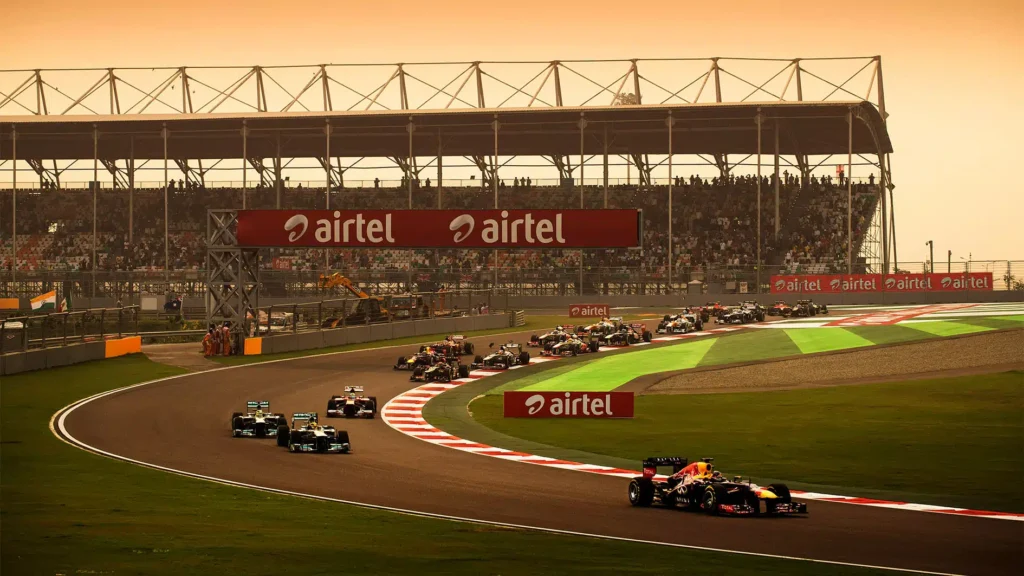
India Formula 1 Grand Prix Return at Buddh Circuit Gains Momentum After Government Revival Push
India Formula 1 Grand Prix comeback plans accelerate
India Formula 1 Grand Prix is once again making headlines as the Indian government intensifies efforts to bring Formula 1 racing back to the iconic Buddh International Circuit in Greater Noida. After nearly a decade away from the global motorsport calendar, fresh talks, policy changes, and financial restructuring have revived hopes that F1 cars could soon roar again on Indian soil.
Union Sports Minister Mansukh Mandaviya recently met with Yamuna Expressway Industrial Development Authority (YEIDA) officials to discuss the future of the ₹2,000 crore racing facility. The Buddh Circuit, once controlled by the Jaypee Group, came under YEIDA’s authority following the company’s bankruptcy in 2024. Now, the focus is firmly on restoration and global revival.
If negotiations succeed, India could potentially host its next Formula 1 race as early as 2027.
Why the Buddh Circuit matters for India Formula 1 Grand Prix
The Buddh International Circuit isn’t just another racetrack. Designed by legendary architect Hermann Tilke, the circuit quickly earned praise from drivers and teams for its challenging layout, high-speed straights, and technical corners.
Key highlights:
- Track length: 5.14 km
- Construction cost: ₹2,000 crore
- Hosted F1 races: 2011, 2012, 2013
- Multiple overtaking zones and elevation changes
During its initial stint, the circuit delivered thrilling races. Sebastian Vettel dominated all three events for Red Bull Racing, cementing the venue’s place in F1 history.
However, despite strong attendance and fan excitement, the event was discontinued due to taxation disputes and financial hurdles.
Tax issues that stopped Formula 1 in India
One of the biggest reasons the India Formula 1 Grand Prix disappeared after 2013 was legal and tax complications. The Uttar Pradesh government categorized Formula 1 as “entertainment” rather than a sport, which led to heavy entertainment taxes and rising costs for organizers.
These unexpected expenses made the event financially unsustainable.
Now, government sources suggest those hurdles are being cleared. Authorities are working to ensure motorsport is treated as a sporting event, reducing tax burdens and creating a more business-friendly environment for international promoters.
This move is seen as critical to convincing Formula One Management (FOM) to reintroduce India to the global calendar.
Government strategy: sports tourism and global recognition
Revival linked to bigger goals
The comeback of the India Formula 1 Grand Prix is part of a larger sports vision:
- 2030 Commonwealth Games bid
- 2036 Olympics hosting ambitions
- Boosting sports tourism
- Creating jobs and infrastructure
Officials believe hosting Formula 1 could:
- Attract lakhs of international visitors
- Increase hotel and hospitality revenue
- Generate thousands of temporary and permanent jobs
- Showcase India as a global sports destination
Countries like Singapore and Abu Dhabi have already proven how F1 can transform local economies. India hopes to replicate — or even surpass — that success.
What’s happening now at Buddh Circuit
Since taking control, the Yamuna Expressway Authority has begun exploring options to hand the circuit to a professional event management firm. The goal is to:
- Upgrade facilities
- Maintain track standards
- Attract international sponsors
- Prepare for FIA certification
Talks with Formula One Management are reportedly ongoing. But because the F1 calendar is already packed with over 24 races, India may need to wait until 2027 for a confirmed slot.
Still, momentum is stronger than ever.
Fan excitement building across India
Indian motorsport fans have long demanded the return of Formula 1. Social media buzz has increased significantly following news of government involvement.
Why fans want it back:
- Chance to watch world-class racing live
- Growth of local motorsport talent
- Increased investment in racing academies
- Boost for automobile and tech industries
With India’s huge youth population and rising interest in sports like F1, the timing feels perfect.
Economic and job benefits of India Formula 1 Grand Prix
Experts estimate that a single F1 weekend could bring:
Direct benefits:
- Hotel bookings surge
- Travel and transport growth
- Sponsorship deals
- Ticket sales revenue
Indirect benefits:
- Media exposure worldwide
- Investment in infrastructure
- Local employment
- Growth of tourism
Cities hosting F1 typically earn hundreds of crores annually, making it a powerful economic driver.
Final thoughts: Is 2027 realistic?
While nothing is official yet, the groundwork looks solid. With tax reforms, government backing, and ongoing negotiations, the India Formula 1 Grand Prix appears closer than ever to reality.
If all goes according to plan, the Buddh Circuit could once again hear the thunder of Formula 1 engines within the next two years.
For Indian motorsport lovers, that would mark the return of one of the biggest sporting spectacles in the world — right at home.
read more:https://viralvista91.com/trump-epstein-files-controversy/